Source Long Battery Life Smart Watch for Fitness, Calls, and Alerts
Explore 30 models of long battery life smart watch devices featuring TFT and AMOLED displays, Bluetooth connectivity, and IP68 water resistance. Compare specifications for detection and communication uses across suppliers in Shenzhen and China to find the right fit for your needs.
Key considerations
Products List


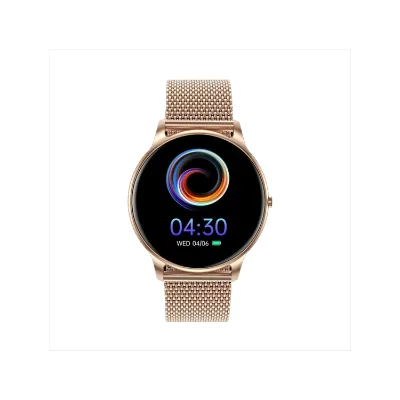
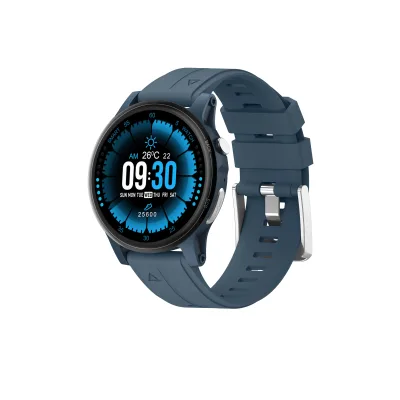
Comprehensive Sourcing Guide
Long Battery Life Smart Watch Sourcing Guide
Procuring devices with extended operational endurance requires distinguishing between models optimized for detection tasks and those designed for continuous communication. The observed market data indicates a clear divergence in battery specifications, with some units offering a normal usage time of 5 to 7 days while others claim standby times exceeding 120 hours. Buyers must align their specific operational requirements with these distinct performance profiles to avoid selecting a device that fails to meet the necessary uptime for their intended use case.
Verification of the actual battery capacity is critical, as observed listings show capacities ranging from 220mA to 720mAh across different models. A device with a 720mAh battery paired with a 3.85V system may offer significantly different real-world longevity compared to a unit with a 280mAh cell, even if both advertise similar standby durations. Sourcing teams should prioritize models where the battery chemistry and capacity are explicitly defined to ensure the device can sustain the required communication or detection functions without frequent recharging interruptions.
Product Scope and Observed Listing Signals
The current market for long battery life smart watches includes a diverse range of form factors and display technologies, from 1.26-inch TFT screens to larger 2.10-inch AMOLED panels. Buyers should note that while some models feature a 240240 DPI resolution, others offer higher definition displays like 360360 or 240*296 pixels, which directly impacts power consumption and visual clarity. Understanding these display variances is essential, as higher resolution screens often demand more power, potentially shortening the battery life unless the device employs advanced power management algorithms.
Physical attributes such as weight and dimensions also vary significantly, with observed bare weights around 53 grams and standard dimensions ranging from 53.5mm to 60.3mm in length. These physical constraints influence user comfort during extended wear, particularly for applications requiring constant detection or communication. Procurement teams must evaluate whether the device's size and weight profile aligns with the ergonomic needs of the end-user, ensuring that the long battery life does not come at the cost of an unwieldy or uncomfortable form factor.
Technical Specifications to Verify
When evaluating technical specifications, the type of touch interface and connectivity options are paramount for ensuring seamless operation. The market offers both capacitive touch screens and full-touch interfaces, with connectivity ranging from Bluetooth to 4G network support and even WiFi capabilities. Buyers must verify that the selected model supports the necessary SIM card types, such as Nano SIM, and confirm the charging port type, as magnetic ports may offer different durability and convenience compared to traditional connectors.
Battery life claims must be cross-referenced with specific usage scenarios, as standby times can vary from approximately 65 days to over 120 hours depending on the active functions enabled. It is crucial to distinguish between standby duration and active usage time, which is typically listed as 5 to 7 days for many models. Procurement specialists should request detailed power consumption data for specific features like intelligent interaction or safety protection to accurately predict the device's performance in real-world conditions.
Compliance and Safety Documentation
Safety and durability are often highlighted through water resistance ratings, with some observed models meeting the IP68 standard for dust and water protection. This level of protection is vital for devices intended for detection or communication in challenging environments, ensuring that the internal electronics remain functional despite exposure to moisture or debris. Buyers should verify that the water resistance rating is supported by independent testing data rather than relying solely on manufacturer claims to ensure long-term reliability.
Material composition also plays a significant role in the device's safety and longevity, with options including silicone and rubber for straps and casings. These materials must be biocompatible and resistant to degradation over time, especially when exposed to sweat or environmental elements. Procurement teams should request material safety data sheets to confirm that the components meet relevant health and safety standards, ensuring that the device is safe for prolonged skin contact and does not pose any chemical hazards to the user.
Cost Drivers and Commercial Terms
Pricing in this sector is influenced by the complexity of the internal components, such as the RAM size and the sophistication of the display technology. Models featuring 8MB RAM and advanced AMOLED displays typically command higher prices than those with simpler TFT screens and lower memory capacities. Buyers should analyze the cost-to-performance ratio carefully, ensuring that the additional expense for premium features like AI interaction or instant response capabilities justifies the investment for their specific application needs.
Commercial terms such as minimum order quantities and packaging requirements also impact the total cost of ownership. Observed listings indicate MOQs ranging from 1 to 1000 units, with packaging options varying from color boxes to gift boxes and cartons. Procurement managers must negotiate terms that align with their inventory strategy, considering whether bulk purchasing offers sufficient discounts to offset the higher unit costs associated with advanced features and specialized packaging.
Supplier Qualification and Quality Control
Supplier qualification should focus on the manufacturer's ability to consistently deliver products that meet the specified technical and safety standards. Given that many products originate from Shenzhen and China, buyers must verify the supplier's production capacity and quality control processes to ensure that every unit meets the advertised battery life and durability claims. Establishing a clear communication channel for technical support and after-sales service is essential for addressing any potential issues that may arise during the product lifecycle.
Quality control measures should include rigorous testing of battery performance, water resistance, and connectivity stability before shipment. Buyers should request sample units for independent testing to validate the supplier's claims regarding standby time, charging duration, and overall device functionality. Implementing a robust inspection protocol helps mitigate the risk of receiving substandard products and ensures that the final shipment meets the high expectations required for long-term procurement success.
Long-Term Procurement Checks
Sustaining a successful procurement relationship requires regular audits of the supplier's ability to maintain product consistency and supply chain stability. Buyers should monitor the supplier's track record for meeting delivery timelines and maintaining the quality of components, particularly the battery cells which are critical for long battery life performance. Establishing a feedback loop for user experiences can help identify any recurring issues that may indicate a need for design improvements or supplier changes.
Future-proofing the procurement strategy involves staying informed about emerging technologies and standards that could impact the device's relevance and performance. As the market evolves, new features like enhanced AI interaction or improved network support may become standard, requiring buyers to adapt their specifications accordingly. Regularly reviewing the product roadmap and engaging with suppliers about upcoming innovations ensures that the procurement strategy remains aligned with the latest technological advancements and market demands.
FAQs
How long does the battery last on these smart watches?
The battery life typically ranges from 5 to 10 days depending on the specific model and usage patterns. For instance, the Z216 model offers a normal usage time of 5 to 7 days, while the V11 model provides a battery life of 7 to 10 days. Standby times can extend significantly, with some models supporting over 65 days of standby, ensuring reliable performance for daily wear without frequent charging interruptions.
What display technologies are used in these devices?
These smart watches utilize various display technologies including TFT, LCD, and AMOLED screens. The Z216 features a 1.26-inch TFT display with 240x240 DPI resolution. The HW04 model is equipped with an AMOLED screen measuring 2.10 inches with a 240x296 resolution. Additionally, the HW01 model includes a 1.39-inch LCD with a 360x360 resolution, offering diverse visual options for different user preferences and clarity requirements.
Can these watches connect to mobile networks for communication?
Yes, certain models support direct mobile network connectivity for independent communication. The HW01 model explicitly supports 4G networks and accepts Nano SIM cards, allowing users to make calls and send messages without a paired phone. Other models rely on Bluetooth for connectivity. This feature enhances functionality for users who require standalone communication capabilities while engaging in activities where carrying a phone is impractical or inconvenient.
Are these smart watches water resistant for swimming?
Yes, several models are designed with water resistance capabilities. The V11 model is rated IP68, providing robust protection against water and dust ingress, making it suitable for swimming and other water-based activities. Other models also feature water-resistant properties, ensuring durability during daily use. Buyers should verify the specific IP rating of the chosen model to ensure it meets their intended usage requirements for water exposure.
What customization options are available for bulk orders?
Customization is available for bulk orders, allowing buyers to tailor products to specific brand requirements. The product page indicates that customization options are available, which may include color variations such as black, blue, silver, and pink. Buyers can also inquire about packaging customization, with options like color box or gift box packaging. These flexible customization services help businesses align the smart watches with their target market aesthetics and branding strategies effectively.